
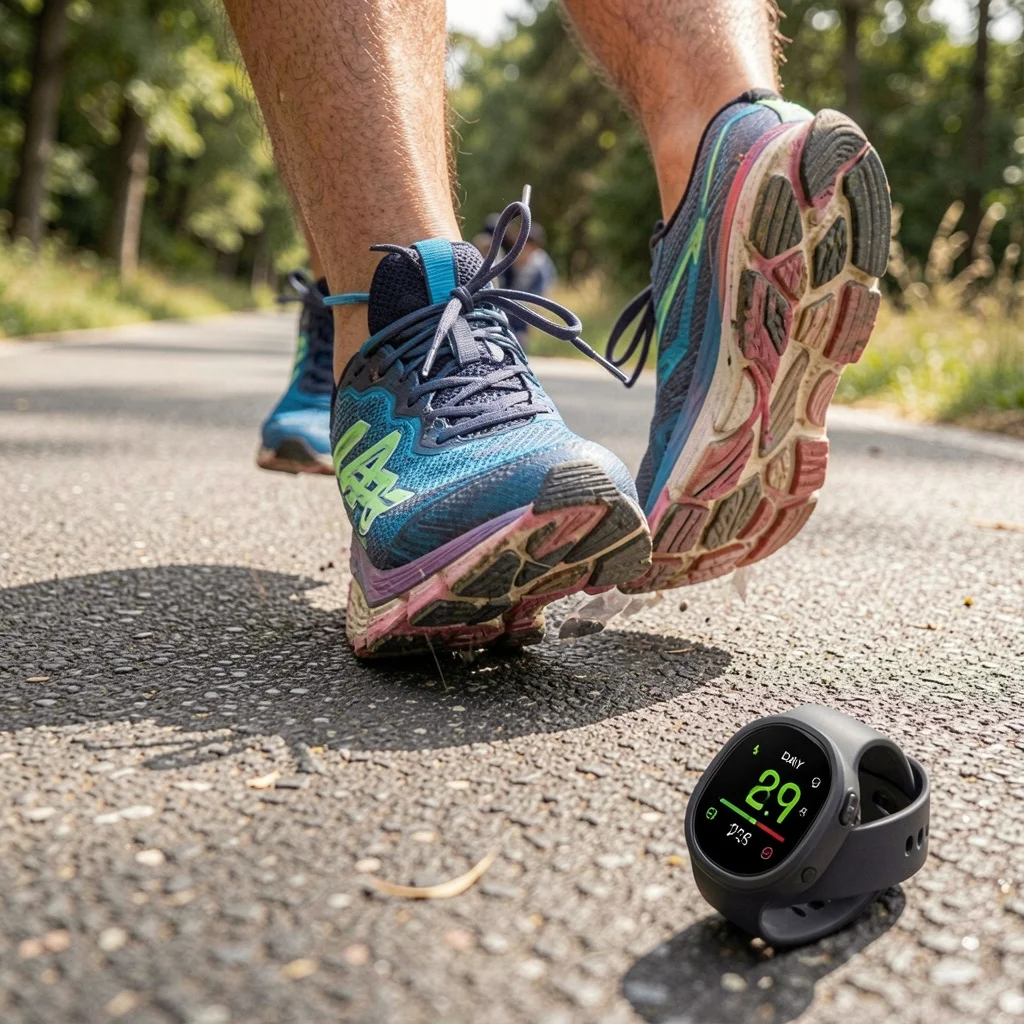

Have you ever checked your fitness tracker at the end of the day and wondered, “Am I walking enough?” You’re certainly not alone. Millions of people monitor their average steps per day to improve their fitness, maintain a healthy lifestyle, and support weight management.
For years, the famous “10,000 steps a day” rule has been treated as the gold standard. But is that number actually backed by science? Surprisingly, research suggests that the answer is more nuanced.
The number of steps you need depends on your age, health, activity level, and personal goals. Even moderate increases in daily walking can significantly improve cardiovascular health, reduce the risk of chronic diseases, and help with long-term weight control.
In this guide, we’ll explore what the average person actually walks each day, what research says about the ideal number of steps, and practical strategies to increase your daily movement.
Health Tip 💡
Don’t focus only on reaching 10,000 steps. If you’re currently walking 3,000 steps daily, increasing to 5,000 or 6,000 already provides meaningful health benefits.
Average Steps Per Day Around the World
The average steps per day varies greatly depending on lifestyle, occupation, transportation, and urban design.
| Country | Average Daily Steps |
|---|---|
| Hong Kong | 6,800–7,000 |
| China | 6,000–6,500 |
| Australia | 5,800–6,000 |
| United Kingdom | 5,500–6,000 |
| United States | 4,700–5,200 |
| India (Urban Estimate) | 4,000–6,000 |
Modern desk jobs and increased screen time have significantly reduced daily movement compared to previous generations.
Average Steps Per Day by Age
Age naturally influences physical activity levels.
| Age Group | Average Steps Per Day |
|---|---|
| Children (6–11) | 12,000–16,000 |
| Teenagers | 9,000–12,000 |
| Adults (20–59) | 5,000–8,000 |
| Adults (60+) | 3,500–6,000 |
Young children are naturally active, while adults often experience reduced movement because of office work and commuting.
Why Your Average Steps Per Day Matters for Fitness
Walking is one of the most accessible forms of exercise. It requires no gym membership, expensive equipment, or advanced skills.
Regular walking improves:
- Heart health
- Lung capacity
- Blood circulation
- Bone strength
- Joint mobility
- Mental health
- Energy levels
Research consistently shows that people who walk more experience lower risks of heart disease, type 2 diabetes, stroke, and premature death.
According to the World Health Organization (WHO), adults should aim for 150–300 minutes of moderate-intensity physical activity every week, and walking is one of the easiest ways to achieve this.
Health Tip 🚶
Instead of parking near the entrance, park farther away and walk the remaining distance. These “hidden steps” quickly add up.
Is 10,000 Steps Really Necessary?
The famous 10,000-step goal didn’t originate from medical research.
It actually began as part of a Japanese marketing campaign during the 1960s promoting a pedometer called “Manpo-kei,” meaning “10,000-step meter.”
Recent scientific studies suggest:
| Daily Steps | Health Impact |
|---|---|
| Under 4,000 | Sedentary lifestyle |
| 4,000–6,000 | Moderate health improvement |
| 6,000–8,000 | Significant reduction in disease risk |
| 8,000–10,000 | Excellent for overall fitness |
| 10,000+ | Additional calorie burn and endurance benefits |
Many studies have found that the greatest reduction in mortality occurs between 7,000 and 8,500 daily steps, especially among middle-aged adults.
Research published by JAMA Network Open found that walking around 7,000–8,000 steps daily can significantly reduce the risk of premature death, showing that health benefits begin well before reaching 10,000 steps.
Average Steps Per Day for Weight Management
Walking supports weight management by increasing daily calorie expenditure without placing excessive stress on joints.
Approximate calories burned:
| Body Weight | Calories Burned (10,000 Steps) |
|---|---|
| 60 kg | 280–320 |
| 70 kg | 330–380 |
| 80 kg | 380–450 |
| 90 kg | 430–520 |
While walking alone won’t guarantee weight loss, combining it with a balanced diet creates a sustainable calorie deficit.
Health Tip 🥗
Pair daily walking with high-protein meals, plenty of vegetables, and adequate hydration to maximize weight-loss results.
Factors That Affect Your Average Steps Per Day
Several everyday habits influence how much you walk:
1. Occupation
- Office workers typically walk 3,000–5,000 steps.
- Retail workers or healthcare professionals may exceed 10,000 steps daily.
2. Transportation
- Driving reduces opportunities to walk, while public transport often increases step counts.
3. Weather
- Cold or rainy days often reduce physical activity.
4. Technology
- Long hours spent using computers, smartphones, or watching television contribute to sedentary behavior.
How Many Steps Should You Walk Based on Your Goal?
For General Health
- Aim for 6,000–8,000 steps daily.
For Better Fitness
- Aim for 8,000–10,000 steps with brisk walking.
For Weight Management
- Combine 8,000–12,000 steps with healthy eating and resistance training.
For Beginners
- Increase your daily steps gradually by 500–1,000 each week.
Easy Ways to Increase Your Average Steps Per Day
You don’t need to dedicate an hour to walking.
Try these simple habits:
- Take walking meetings.
- Use stairs instead of elevators.
- Walk while talking on the phone.
- Walk after every meal.
- Take short breaks every hour.
- Walk your dog longer.
- Shop on foot whenever possible.
- Walk during children’s sports practice.
Small daily improvements often produce the biggest long-term results.
Health Tip ⏰
Set a reminder every 60 minutes to stand up and walk for two to three minutes.
Walking vs Running: Which Is Better?
| Walking | Running |
|---|---|
| Low impact | High impact |
| Beginner-friendly | Higher fitness level required |
| Lower injury risk | Greater injury risk |
| Sustainable long term | Burns more calories per minute |
| Excellent for weight management | Excellent for endurance |
Walking is easier to maintain consistently, making it a better long-term habit for many people.
Common Myths About Daily Steps
Myth 1: Only 10,000 Steps Count
False.
Every additional step contributes to better health.
Myth 2: Slow Walking Doesn’t Help
False.
Even light walking improves circulation and reduces sedentary time.
Myth 3: Walking Isn’t Exercise
False.
Walking is recognized by health organizations as moderate physical activity when performed briskly.
Best Devices for Tracking Average Steps Per Day
Popular options include:
- Fitbit
- Garmin
- Apple Watch
- Samsung Galaxy Watch
- Google Pixel Watch
- Smartphone health apps
Tracking helps maintain motivation and encourages consistency.
Key Takeaways
| Goal | Recommended Steps |
|---|---|
| Basic Activity | 4,000–6,000 |
| Healthy Lifestyle | 6,000–8,000 |
| Improved Fitness | 8,000–10,000 |
| Weight Management | 8,000–12,000 |
Remember that consistency matters more than perfection. Walking 7,000 steps every day is often more beneficial than reaching 15,000 steps once a week.
Frequently Asked Questions
Q. How many steps do people take per day on average?
Q. Is 10,000 steps necessary?
Q. How many steps should I walk to lose weight?
Q. Does walking reduce belly fat?
Q. Is walking every day safe?
Q. What’s better: walking faster or walking longer?
Conclusion
Your average steps per day is more than just a number on your smartwatch—it’s a simple yet powerful indicator of your daily activity. While 10,000 steps is a popular benchmark, science shows that even moderate increases in daily walking can improve fitness, support weight management, strengthen your heart, and boost overall well-being.
The best step goal is the one you can maintain consistently. Whether you’re starting at 3,000 steps or already walking 10,000, every extra step contributes to better health. Focus on gradual progress, stay active throughout the day, and celebrate small wins—they add up over time.
Read more on:
Call to Action
How many steps do you usually walk each day?
Share your daily step count in the comments below and let us know your biggest walking challenge. If you found this guide helpful, share it with friends and family, and explore our other fitness and wellness articles for more practical tips to stay active and healthy.